Igniting a Movement:
Origin of The People’s Law Firm

It's September 11, 2005. The dark southern Louisiana night is thick with humidity, mosquitos, and the buzz of gas generators.

“So what’s the plan for tomorrow?” asks my unexpected host, Buddy, referring to the U-Haul I’d packed full of supplies and driven from Phoenix.

I’m bleary-eyed, exhausted, and I have no idea what to say. I have no plan. When I saw the awful news, I’d simply dropped everything, rented a truck, and drove 23 hours to New Orleans.

“We’re dealing with martial law now. Which means that if we want to get across the bridge into New Orleans we’re gonna need to be prepared. I’ll ride with you and have my 12-gauge. What kind of guns do y’all have?” Buddy asks.

Guns? Martial law?
Was I really having this conversation?

Two days earlier I was a junior associate at a big corporate law firm in Central Phoenix.

I was a year removed from a coveted judicial clerkship at the Arizona Supreme Court, working in a top-floor office with a wall of windows and a view of South Mountain framing the downtown skyline. I had a house with a swimming pool and a new Infiniti G35, and a lifted Jeep for weekend adventures in the Sonoran Desert.

I had life all figured out. Until this moment.
When I realized, in an instant, I had no idea what the hell I was actually doing.

“Welcome to Katrina,” I heard from the group of people standing behind Buddy.

Welcome to Katrina, indeed.

Home Image
About Line

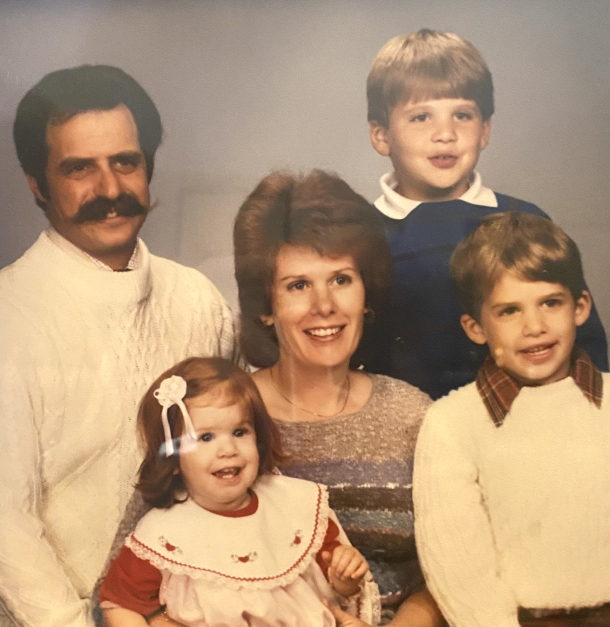
I'm the first-born son of two schoolteachers who valued family, education, service to others, and hard work—in that order.

About Line
About Image

We weren’t rich. We wore clothes and sneakers from K-Mart. We never ate out. But we never went without, not by a longshot.

My parents were deeply present in my life and resourceful. They instilled in us the importance of looking out for each other, and they made sure we knew that “each other” didn’t end with family. It also included showing up when people needed us.

I can’t count the number of times my mom woke up early in the morning to make a big tray of lasagna or baked ziti for a neighbor who had a death in the family. Or when, after a big storm, my dad grabbed his saw and walked around town helping people remove downed trees.
About Line

When I was 11, it was my family’s turn to be supported.

About Line

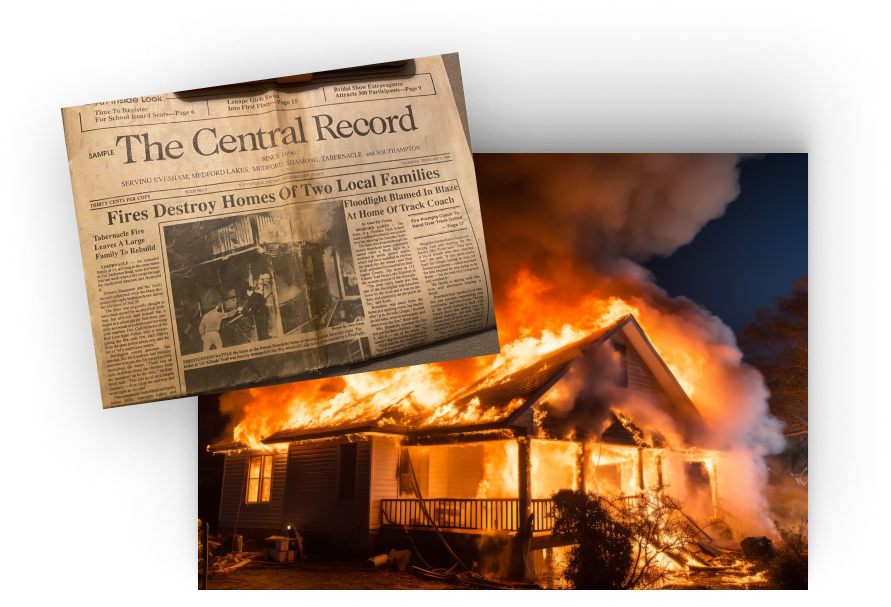
On a cold January night an electrical fire started on our back porch and engulfed our family home in flames.

Our neighbors took us in, and the next morning, boxes filled with household items and clothes started showing up. One neighbor offered their sofa, and another allowed us to live in his house, rent-free, until our home was rebuilt.

About Image

The lesson, once merely exhibited by my parents, was etched into my brain:

When someone needs your help, and you're in a position to do so, you step up.

Back to Katrina. The morning after my conversation
with Buddy, we found ourselves in "The Bottoms,"
a neighborhood recommended by Buddy's wife, Annie.

Even with Annie’s blessing, though, we were cautioned:
They don’t see many white folks down there. Expect some skepticism.

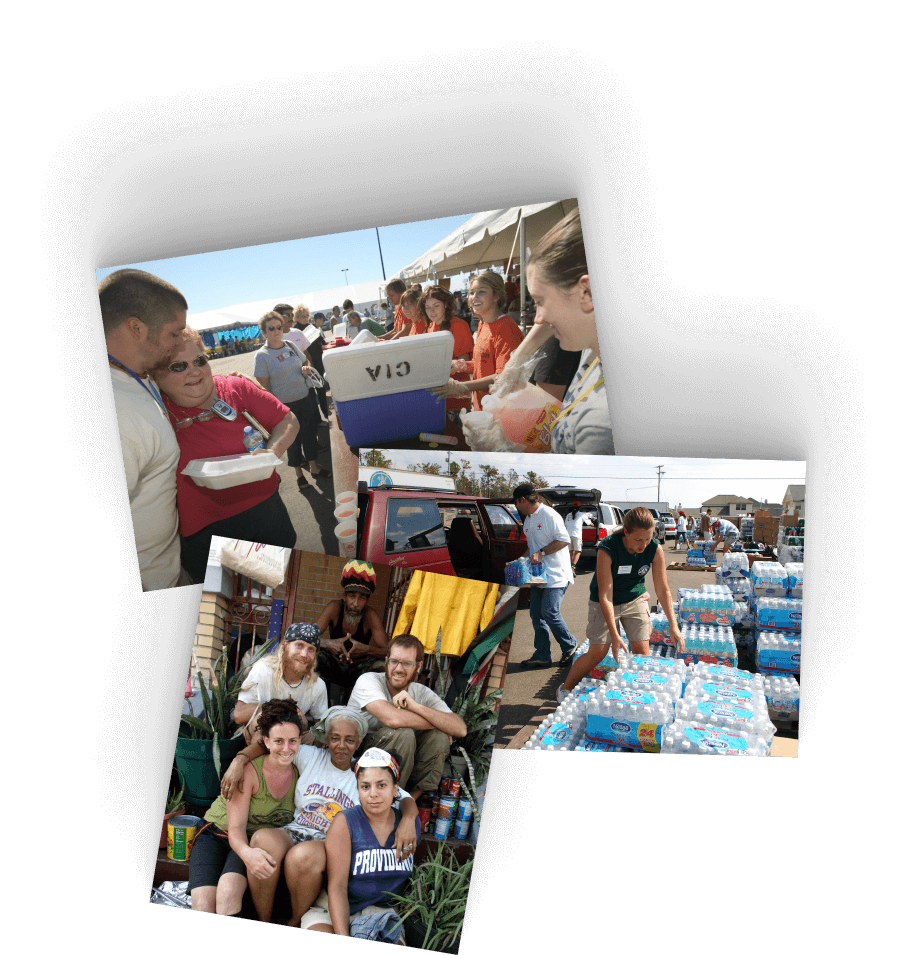
We unloaded pallets of bottled water, canned food, and donated clothing into the parking lot of a black church, to be distributed to the community. We were met with smiles, hugs, and tears of gratitude.

We tried to find organizations we could trust, but the American Red Cross had zero presence on the ground, and the local police and National Guard were creating military-style borders to contain people in their flooded neighborhoods.

The hope was everywhere else. Groups of people gathered together, without formal organization, to take care of one another. They organized mass kitchens, cleared roadways, and hugged each other and cried and grieved together.

about Image

People were taking care
of PEple.

Those lessons from the Gulf have stayed with me ever since.
Our institutions are illusions, here to protect the interests of the
powerful, not us. There is no cavalry. No one is coming to save us.

About Line

When the shit hits the fan, all we have is each other. And that's more than enough.

About Line

These core principles led me to create The People’s Law Firm, years after I returned from New Orleans. I hoped to bring these values—cooperation, mutual support, and collective empowerment—to the communities we serve.

They serve as our guiding principles to this day.

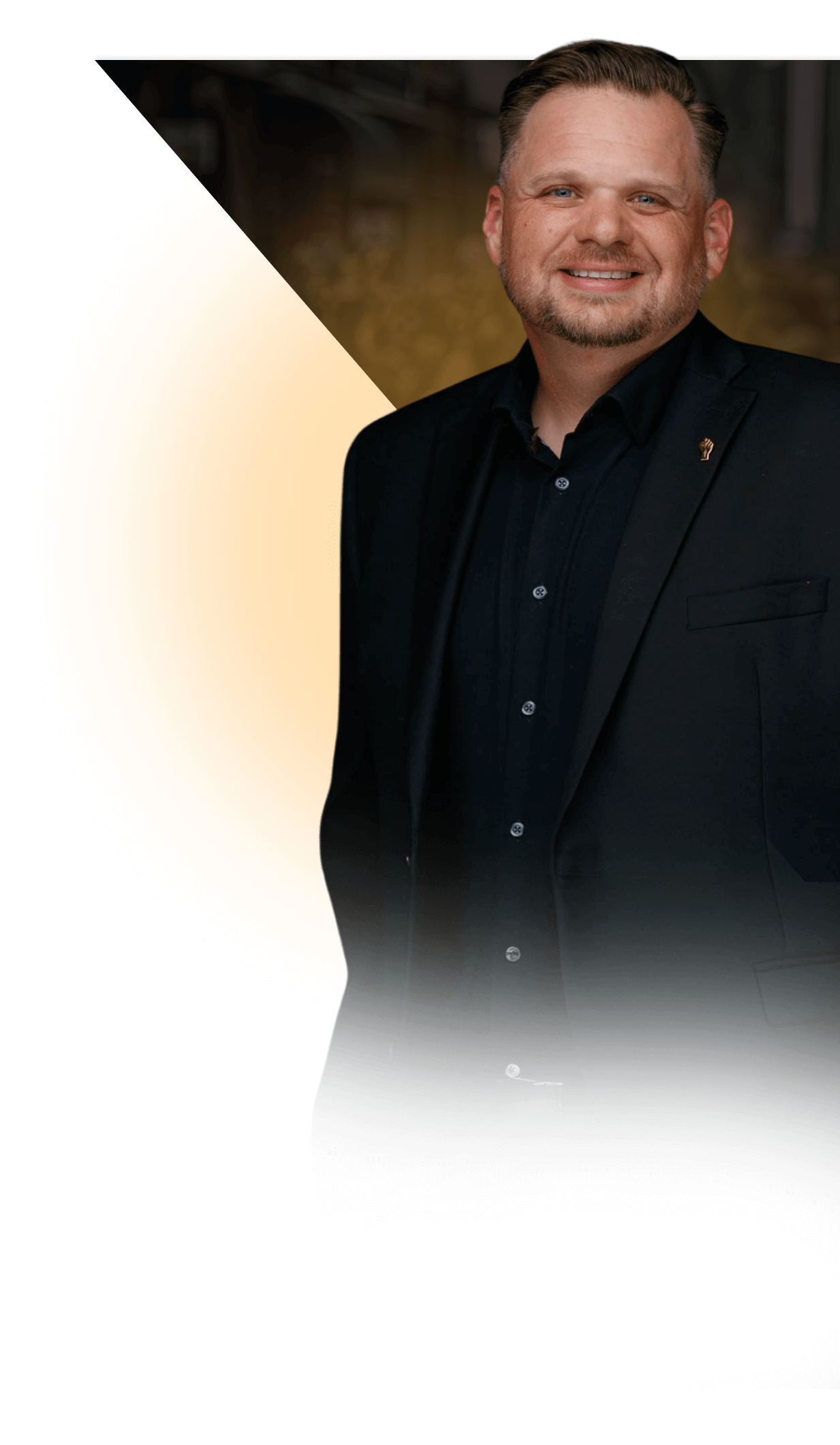
about steve
benedetto

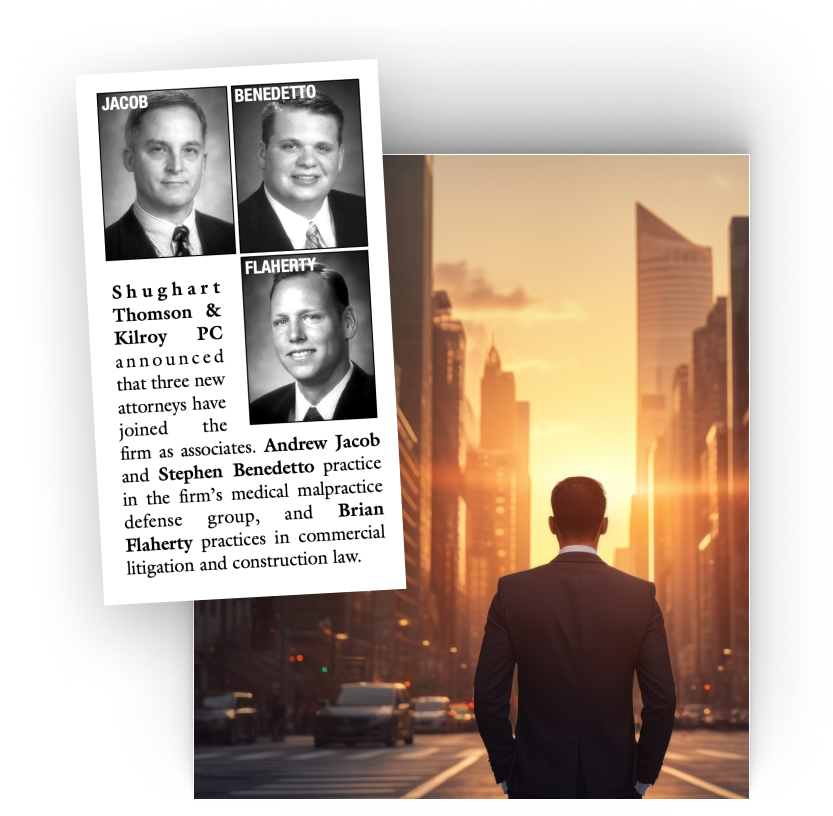
Steve Benedetto began his career defending corporations, working at some of the largest law firms in the country. He learned the playbook that big corporations and their lawyers use to defend lawsuits, avoid accountability, and pressure people into settling their cases for pennies on the dollar. And in 2009 he decided to put his knowledge to use for real people.

In 2009, Steve left corporate practice to start his own law firm, focusing on the defense of people charged with serious crimes. In the following years he added two partners and four associates, expanding the firm and its practice areas until his firm became one of the fastest growing personal injury law practices in Arizona.

Then, in 2014, everything changed for him. After watching news coverage of the murder of Michael Brown by police in Ferguson, Missouri, Steve decided to re-dedicate his practice to fighting for the constitutional rights of ordinary people. He left the firm he founded to create a new type of law firm–the kind that didn’t exist anywhere else.  He wanted this firm to serve the people, not the partners–and called it The People’s Law Firm to do exactly that. 

In 2017 Steve and his family moved to Boulder to open the firm’s Colorado practice. And in 2021, they relocated again–this time to San Diego, to start the firm’s Southern California office.

In addition to running The People’s Law Firm, Steve is also the founder and creative director of Policy Limit Demands (a legal consulting company that provides customized settlement strategies to attorneys throughout the country) and inJustice Films (a film production company that produces documentary shorts about controversial legal cases).

He is honored to be considered a “lawyer’s lawyer” – an attorney who, in addition to running The People’s Law Firm, is hired by lawyers across the country to help them settle their toughest cases. He is licensed to practice law in Arizona, California, and Colorado and actively takes on serious injury and civil rights cases in all three states. 

When he is not in airports, his office, or the video editing bay, Steve prioritizes his time at home with his wife and dogs in San Diego–dodging tennis balls and frisbees at Dog Beach in Ocean Beach; listening to old Grateful Dead concert recordings while running and biking around Mission Bay; or sitting in Balboa Park under a tree working on his latest book.

About Image

OUR MISSION

The Mission of The People’s Law Firm is to revolutionize the legal system–starting with the lawyers who practice it–
by demanding its recognition of humanity.

CORE VALUES

About Icon

TRUTH.

It is our north star. In a system soaked in bullshit we insist on facts. We believe the strongest version of your case is the truest one; we don’t have time for anything else. 

About Icon

INTEGRITY.

It is our compass. We believe that making excuses is a waste of energy. We do what we say we are going to do. And, when we don't we own it and we fix it.

About Icon

CURIOSITY.

It is our fuel. Hearing “this is the way it’s always been” only makes us more intent on finding a better way. Because the doing things “they way they’ve always been done” simply guarantees the same crappy results everyone else has always gotten.

About Icon

RESILIENCY.

It is our superpower, and our clients’, too. Because every hero in the history of the world gets kicked in the teeth sometimes. It’s picking themselves up and finding a way to keep moving forward that makes them winners.

About Icon

COURAGE.

It is our foundation. This work can be scary; the Power Structure generally doesn’t take kindly to being called to the carpet. But people who are brave enough to fight Goliath deserve lawyers who are willing to stand with them.

About Icon

CONNECTION.

It is our lifeforce. In a system that seeks to divide us, empathy is the only real currency. We build deep connections that draw on our common humanity and serve as bridges between our clients and the insurance adjusters, judges, and jurors who will resolve their cases.

About Line

Not everyone who read these values will understand them or agree. And that’s okay–we don’t work with everyone. 
But if you share them, congratulations:

You’ve found your people.

About Line